
Wildfire Smoke & Your Health

Wildfire Smoke is Toxic
Wildfires produce a specific Particulate Matter (PM) - microscopic air pollutants - of 2.5 micrometers or less. Particulate Matter from wildfires is up to 10 times more harmful to human health than PM2.5 from other sources (PMID: 33674571)
There are up to 10% more respiratory admissions at hospitals from wildfire-specific
PM2.5 compared to non-wildfire. When homes and cars burn, many different chemicals are released into the air. These chemicals can remain in the air for weeks after the fires are out, and many are attached to dust particles which are stirred up with wind or are moving around inside your home.
Health Effects of Wildfire Smoke
There are both acute health effects of air pollution (such as throat, eye and nose irritation, headaches, allergies, and exacerbation of respiratory conditions), as well as long term effects of exposure (such as reproductive impacts, immune dysregulation, cardiovascular and respiratory disease, and potential carcinogenic effects)
PM2.5 (particles less than 2.5 microns) can cause oxidative damage at the cellular and mitochondrial levels, impacts to DNA, reduced glutathione (the master antioxidant) levels, and increased inflammation. All of these effects can lead to lung and whole-body effects.
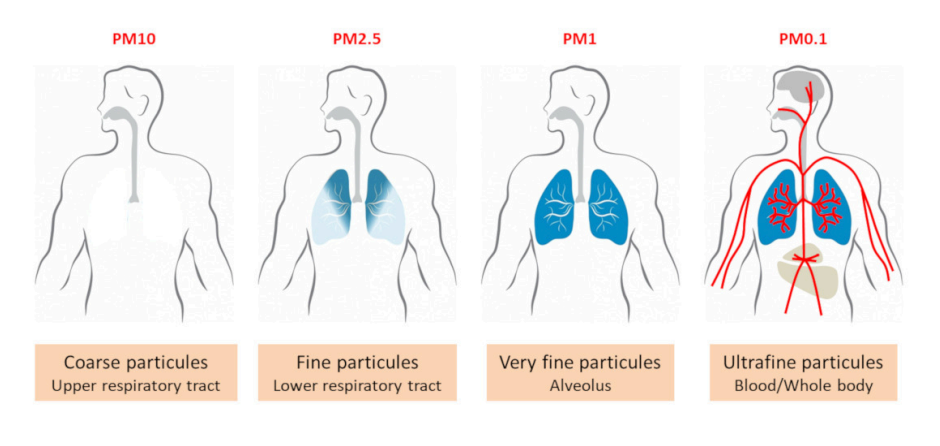
At Risk Populations
Those with pre-existing conditions, such as cardiovascular disease and lung disease, the immunocompromised, elderly and children are all at increased risks from exposure.
Children’s lungs are not fully developed yet, therefore the respiratory risks of wildfire smoke can be more detrimental. Respiratory infection risk after exposure to wildfire smoke can be up to 10 times higher than in adults, particularly between ages 0-5 (PMID: 33757996).
Protect Your Health
Stay Indoors
Avoid going outside as much as possible. Monitor health advisories daily to assess current risks and plan accordingly.
Protect Indoor Air Quality
Close all windows and outside doors and make sure the seals are tight.
Keep family and pet traffic in/out the same door to reduce potential exposure.
Seal up outside vents (stove, bathroom, fireplace) with cardboard and tape.
Use a high quality air filter in each room to quickly remove particulates
Air Filters
Ensure indoor air and car air filtration systems are in good working condition, with new filters. Filters reach their capacity faster during heavy smoke events, so you may want to keep extras on hand. HEPA air filters are beneficial for bedrooms and frequented living spaces.
Benefits of Glutathione & NAC
Glutathione is the body's primary intracellular antioxidant, helping to neutralize harmful free radicals, protect cells from oxidative damage, and support the natural detoxification processes that are activated after exposure to air pollution.

Nebulized glutathione delivers glutathione directly to the lungs, where wildfire smoke and other airborne pollutants exert much of their harmful effects. By targeting the airways and lung tissue, nebulized glutathione may provide higher local concentrations than oral supplements, potentially helping to reduce oxidative stress and support the lungs' natural antioxidant defenses more directly. This may be especially beneficial for those with pre-existing respiratory conditions.

Intravenous (IV) glutathione delivers glutathione directly into the bloodstream, achieving hig
her circulating levels than oral supplementation. As the body's master antioxidant, glutathione plays a critical role in protecting cells from oxidative stress, supporting im
mune function, and aiding the liver's natural detoxification processes.
IV glutathione may be beneficial for individuals experiencing increased systemic oxidative stress, such as those exposed to environmental pollutants like wildfire smoke. By helping neutralize free radicals and reduce inflammation, it may support overall cellular health and recovery.
N-acetylcysteine (NAC) is a precursor to glutathione, meaning it provides the building blocks your body needs to produce more glutathione. NAC also helps to thin and loosen mucus in the airways, which can support respiratory function.
Together, glutathione and NAC may help strengthen the body's antioxidant defences and support recovery from the oxidative stress of wildfire smoke exposure.
While these nutrients can complement an overall health plan, they should not replace proven protective measures such as limiting outdoor exposure, using high-quality air filtration, and following local air quality advisories.
Stay Safe During Wildfire Season.


Comments